

For vibrant and defined eyes
Ptosis Correction
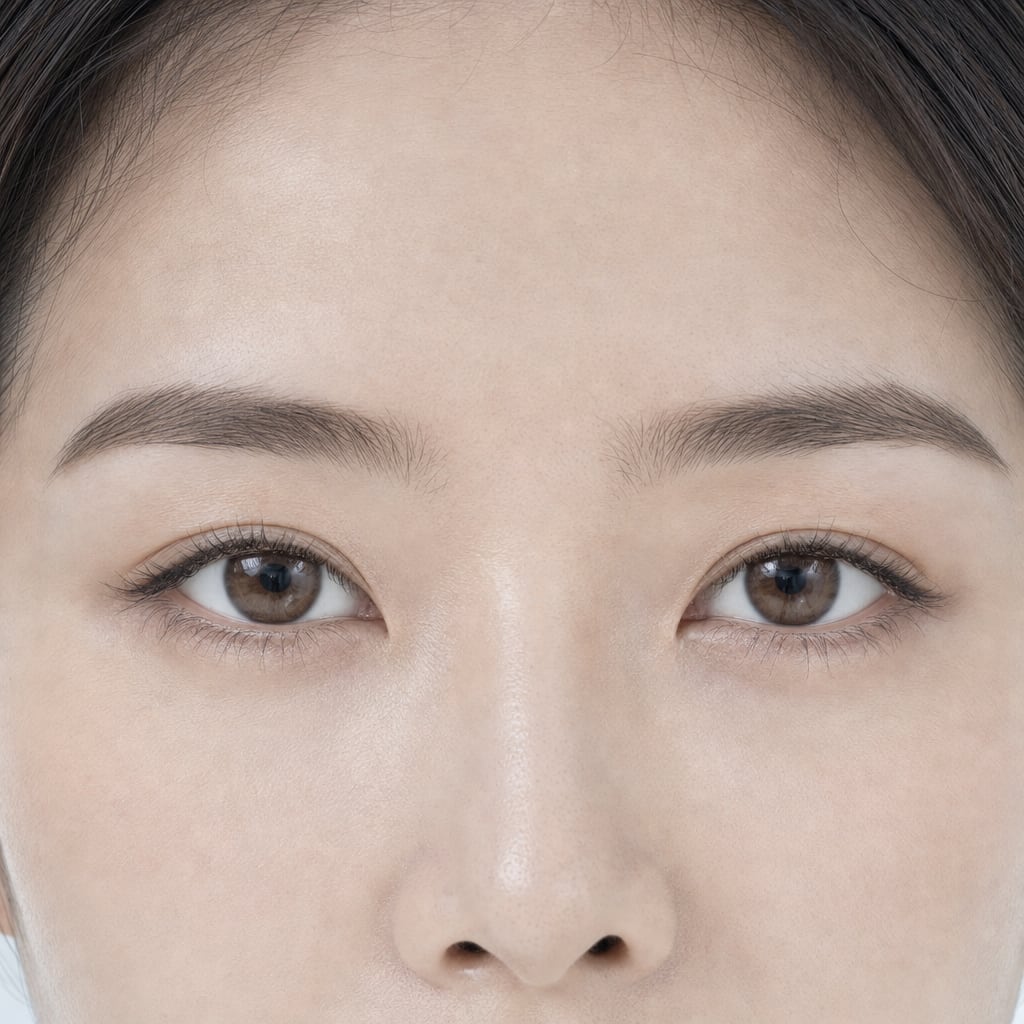
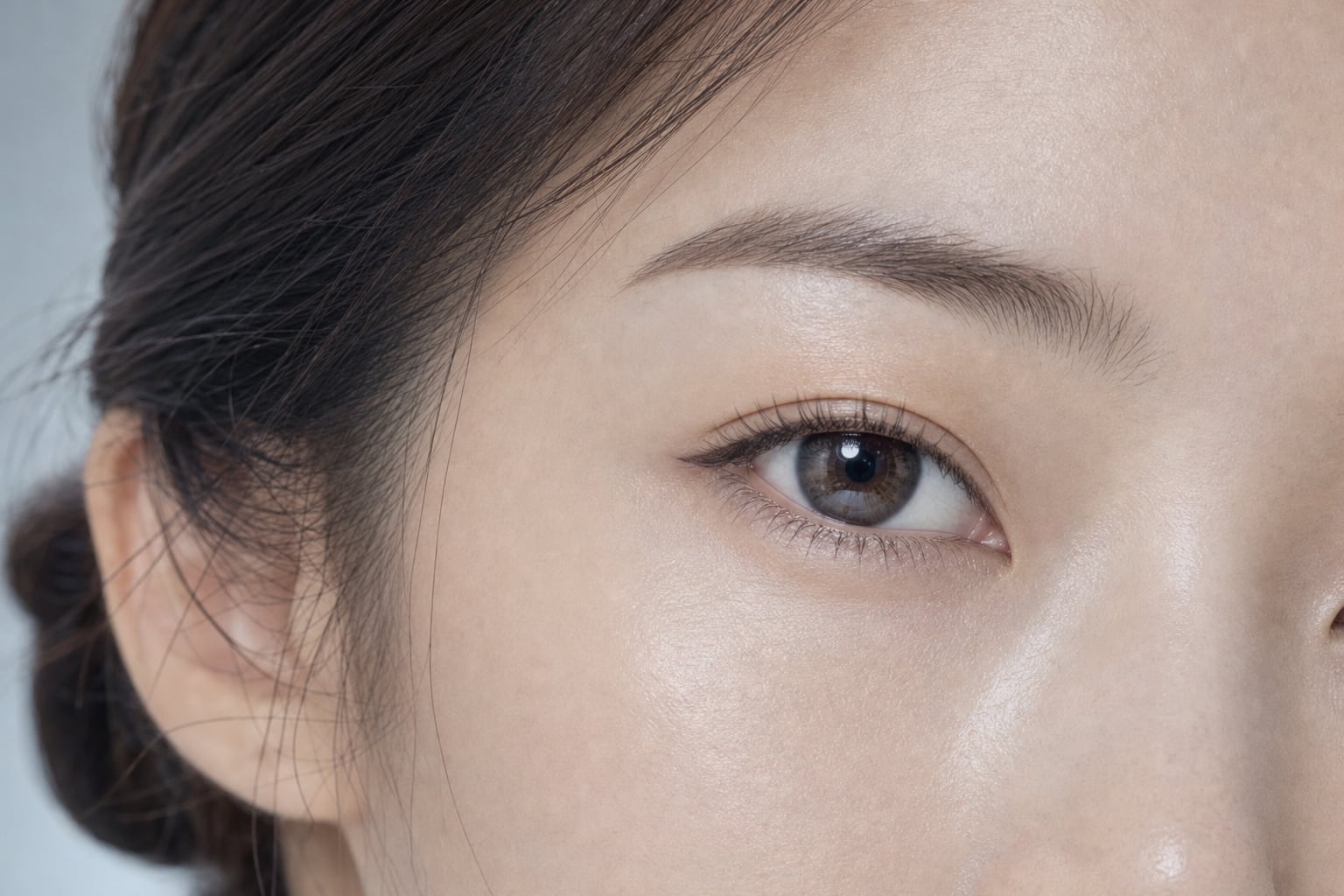
PIAF's ptosis correction first checks the degree of pupil exposure.We analyze the eyelid skin and the strength of the eye-opening musclesto suggest ways to transform sleepy-looking eyes into a more defined appearance.
01
Non-incisional Eyelid Correction
02
Incisional Eyelid Correction
PIAF CLINIC
Surgery to regain eye-opening strength
Ptosis Correction
It's not that your eyes are small, but they may not be fully open.
Ptosis correction is a surgery that adjusts the strength of the muscles responsible for opening the eyes (levator palpebrae superioris and Müller’s muscle) to increase the degree of pupil exposure. When these muscles are weak, the eyelids can cover much of the pupil, giving a sleepy or tired appearance, and may lead to a habit of using the forehead to open the eyes. PIAF assesses the amount of pupil exposure, eyelid droop, and muscle strength to recommend either a non-incisional or incisional method, often planning it alongside double eyelid surgery. Results and recovery speed may vary by individual.
Natural yet defined
Non-incisional Eyelid Correction
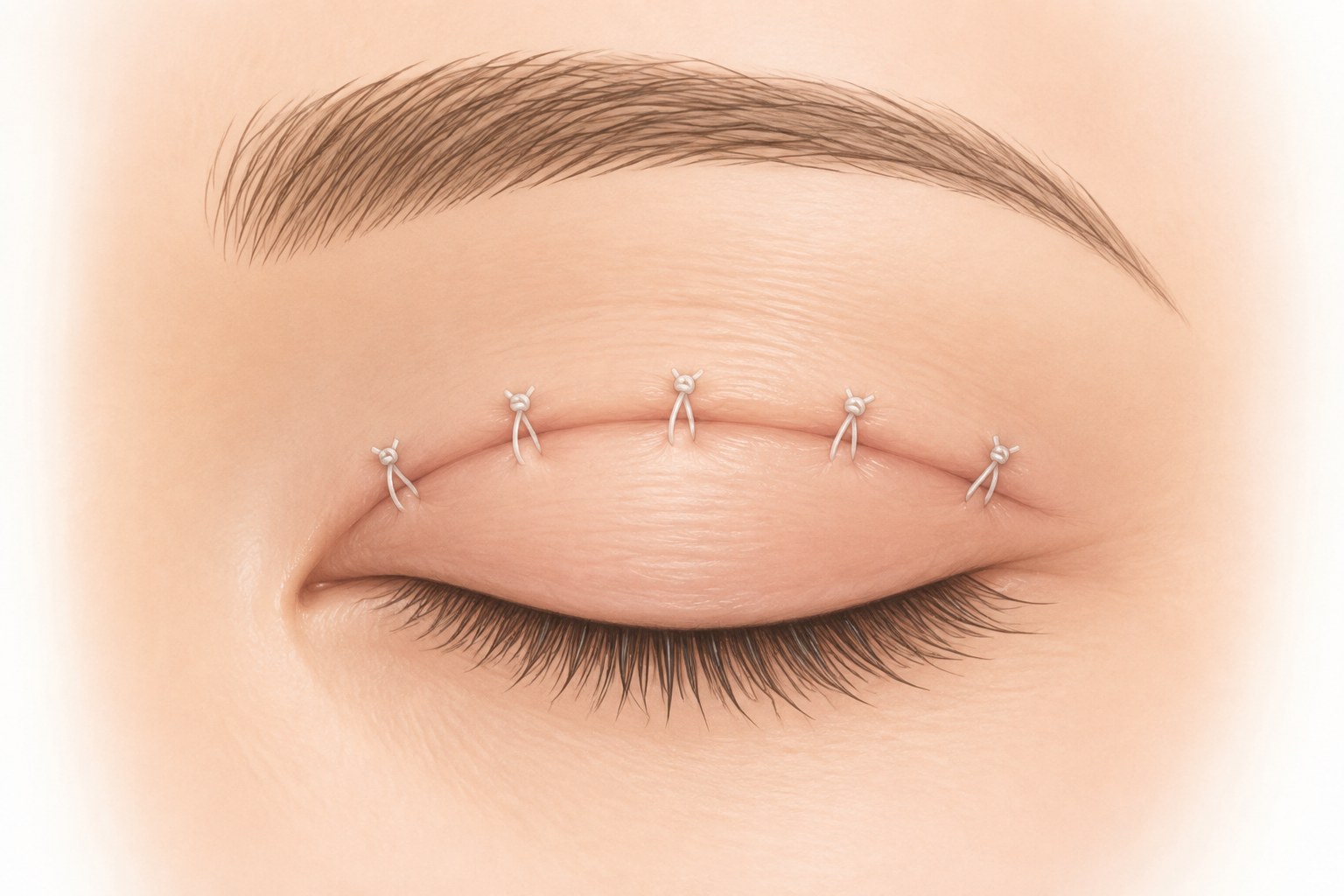
Non-incisional eyelid correction This method strengthens the eye-opening muscles (levator palpebrae superioris and Müller’s muscle) by suturing them from inside the eyelid without making an incision, reducing the length of the stretched muscles. It involves no incisions, resulting in less swelling and relatively quick recovery, and is considered for mild ptosis or sleepy-looking eyes. It can also be performed on the same day as buried suture double eyelid surgery.
PIAF Non-incisional Eyelid Correction Procedure
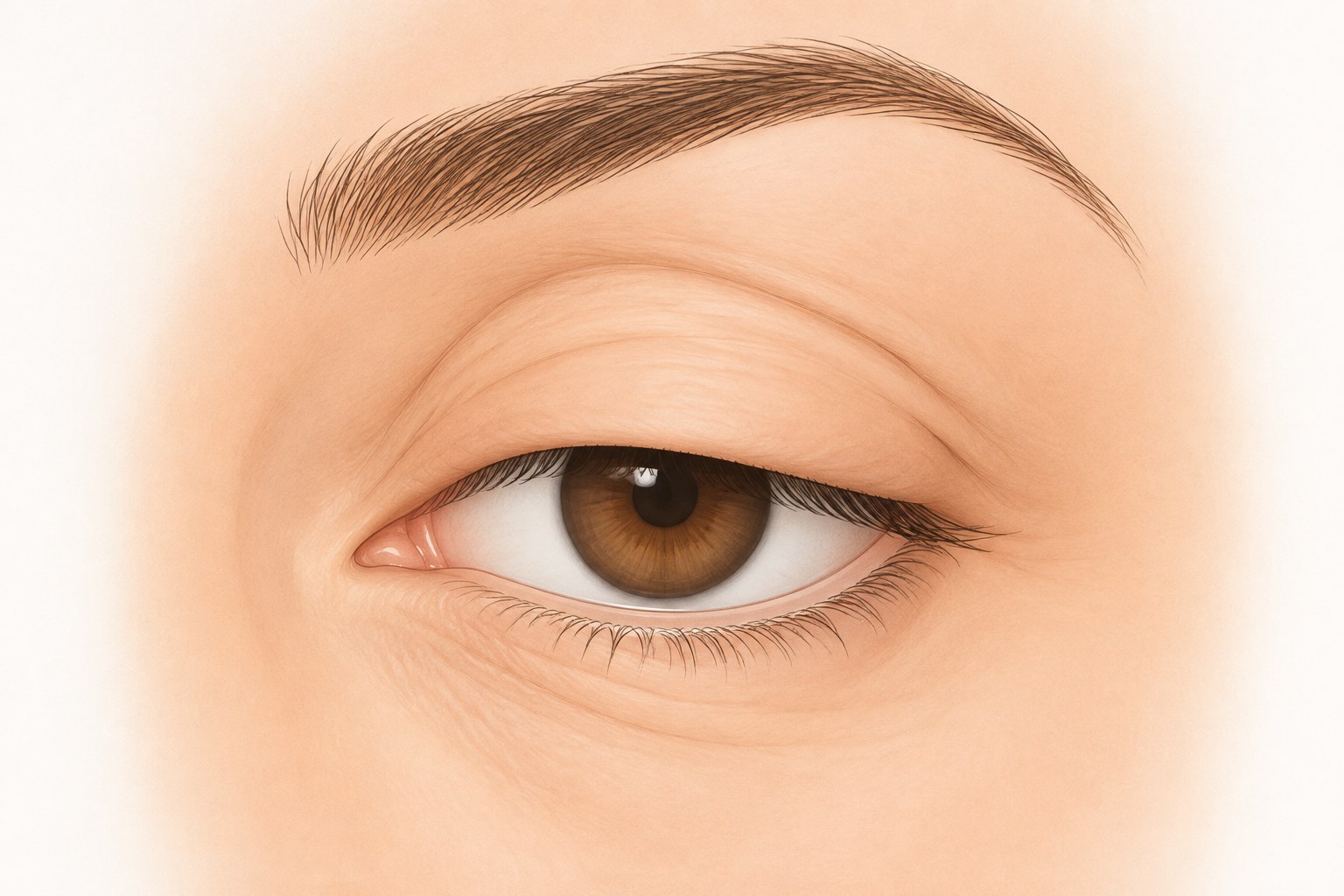
Step 01
Check Eye Condition
Determine the amount of correction needed by checking pupil exposure and the strength of the eye-opening muscles.
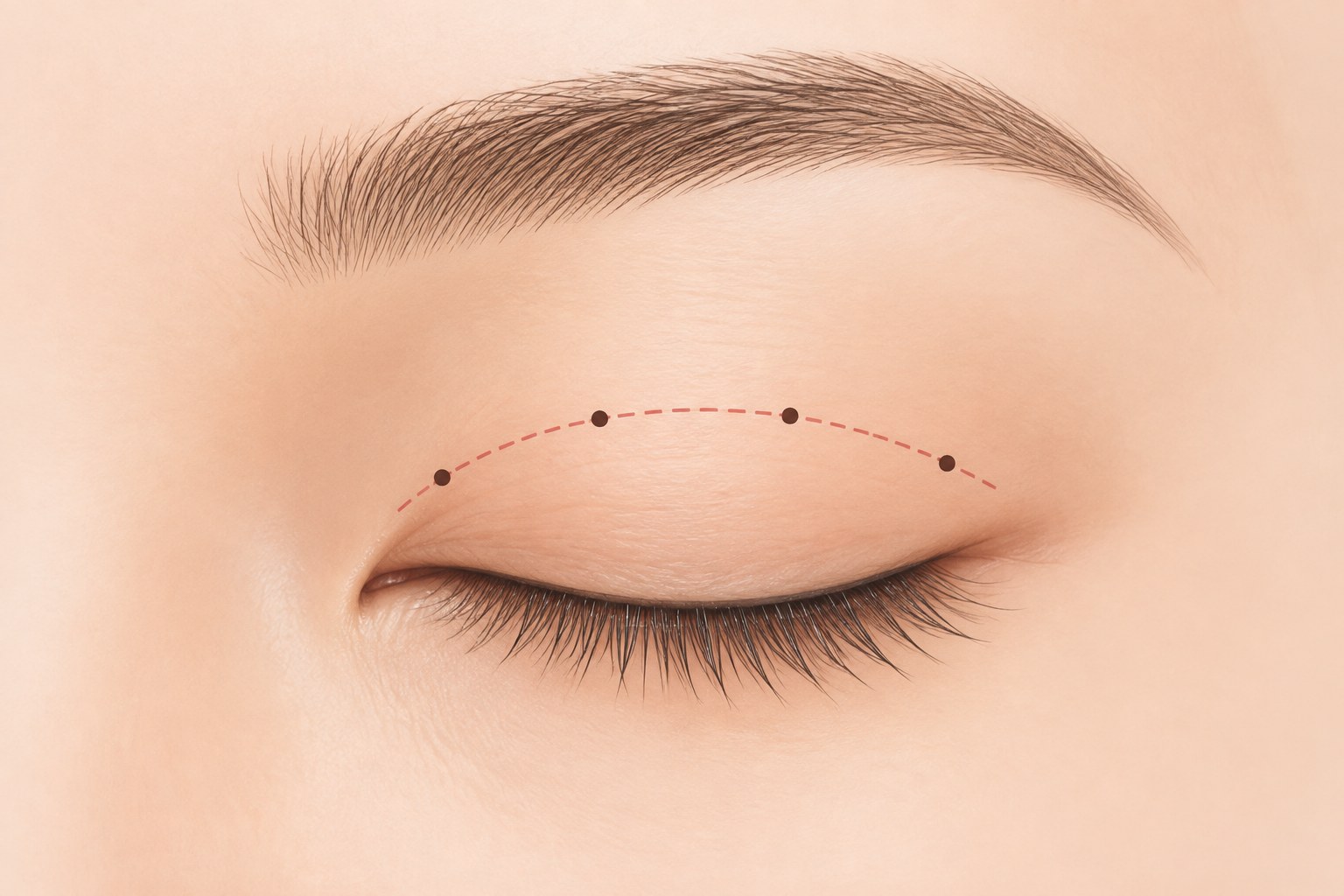
→Step 02
Mark Fixation Points
Mark the points for muscle fixation while the eyes are closed.
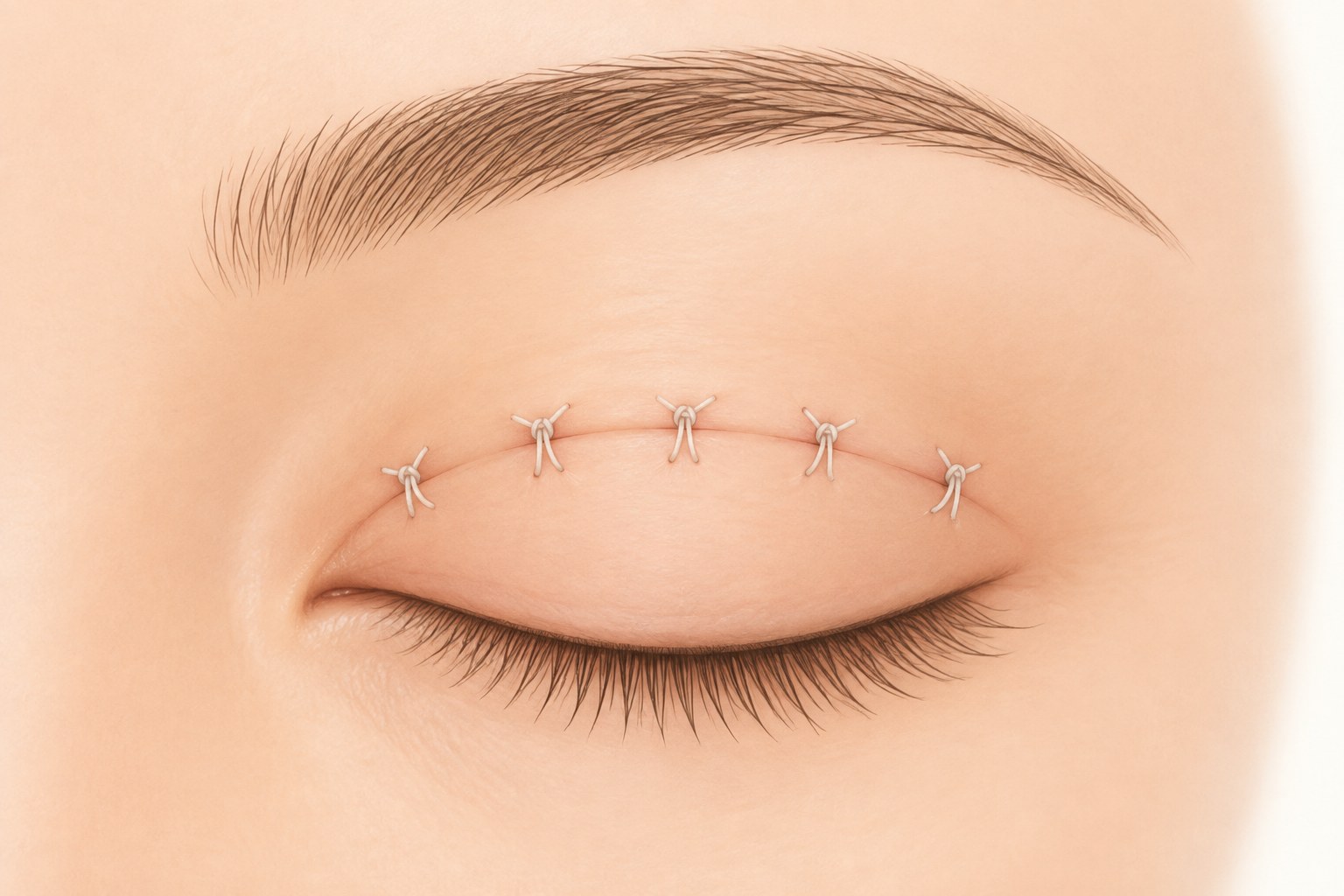
→Step 03
Muscle Fixation
Strengthen the eye-opening muscles by suturing them at the marked points.
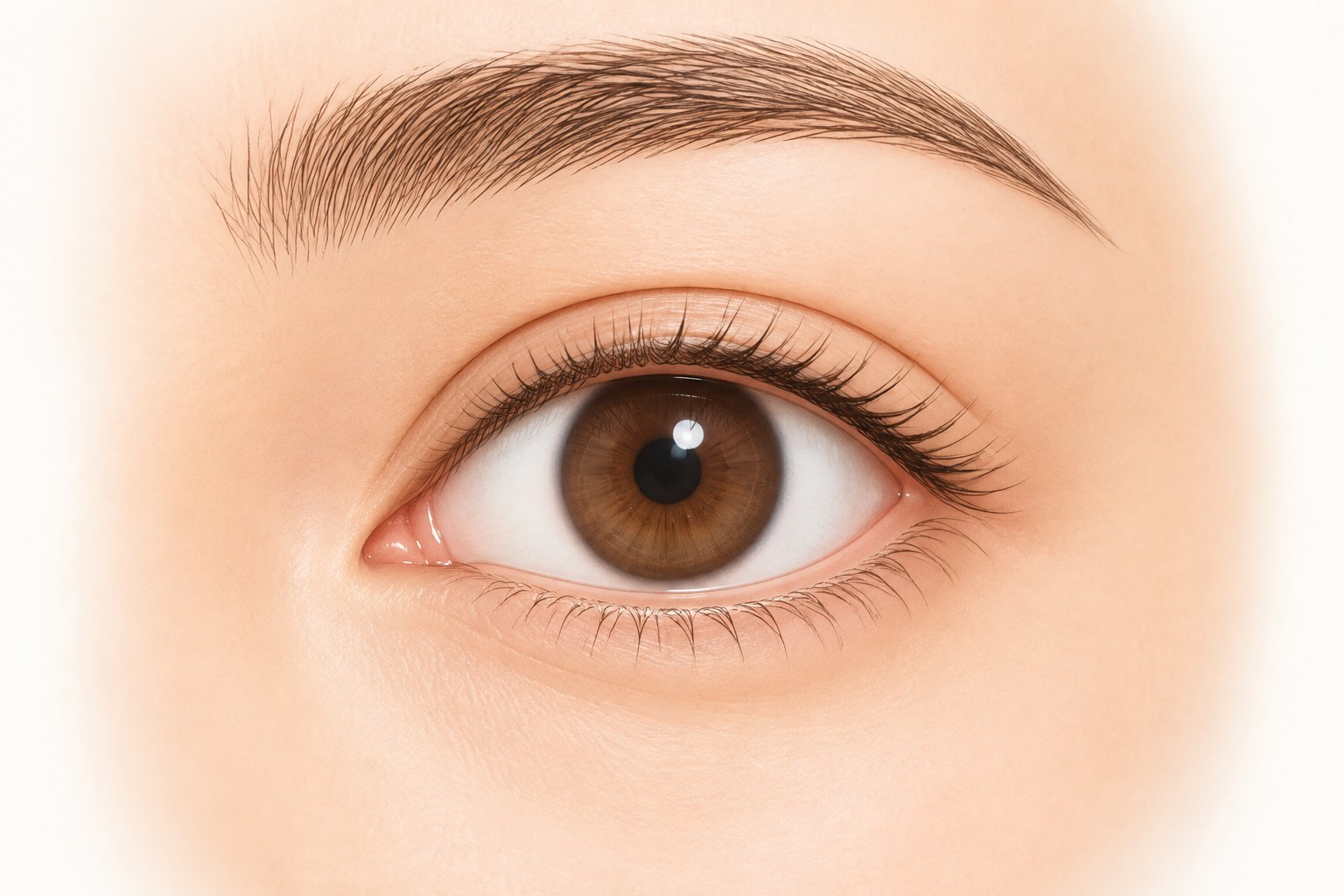
→Step 04
Check Eye Appearance
Ensure even pupil exposure on both sides and finish the procedure.
PIAF Non-incisional Eyelid Correction Advantages
PIAF Non-incisional Eyelid Correction Recommended for
- Thin eyelid skin with little fat
- Mild ptosis with minimal eyelid droop
- Desire for defined eyes without double eyelids
- Concerned about sleepy or tired-looking eyes
Clear definition for severe droop
Incisional Eyelid Correction
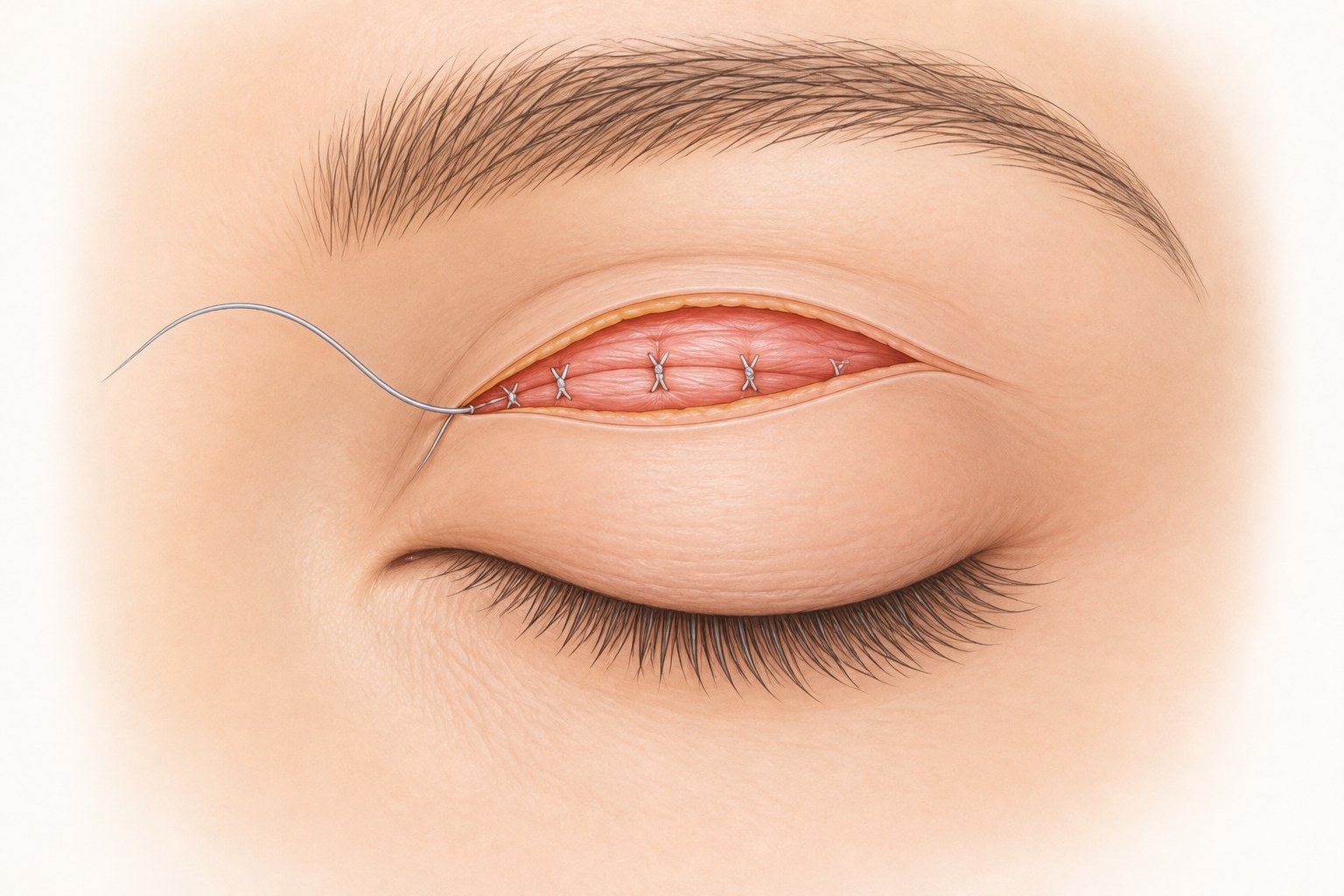
Incisional eyelid correction This method involves making an incision in the eyelid skin to directly observe the eye-opening muscles (levator palpebrae superioris and Müller’s muscle), pulling them forward to the appropriate length, and fixing them to the tarsal plate. It allows for adjustment of the correction amount by visually confirming the muscles, making it suitable for severe droop or significant asymmetry, and can also address excess fat and loose skin. The incision is designed to lie within the double eyelid line.
PIAF Incisional Eyelid Correction Procedure
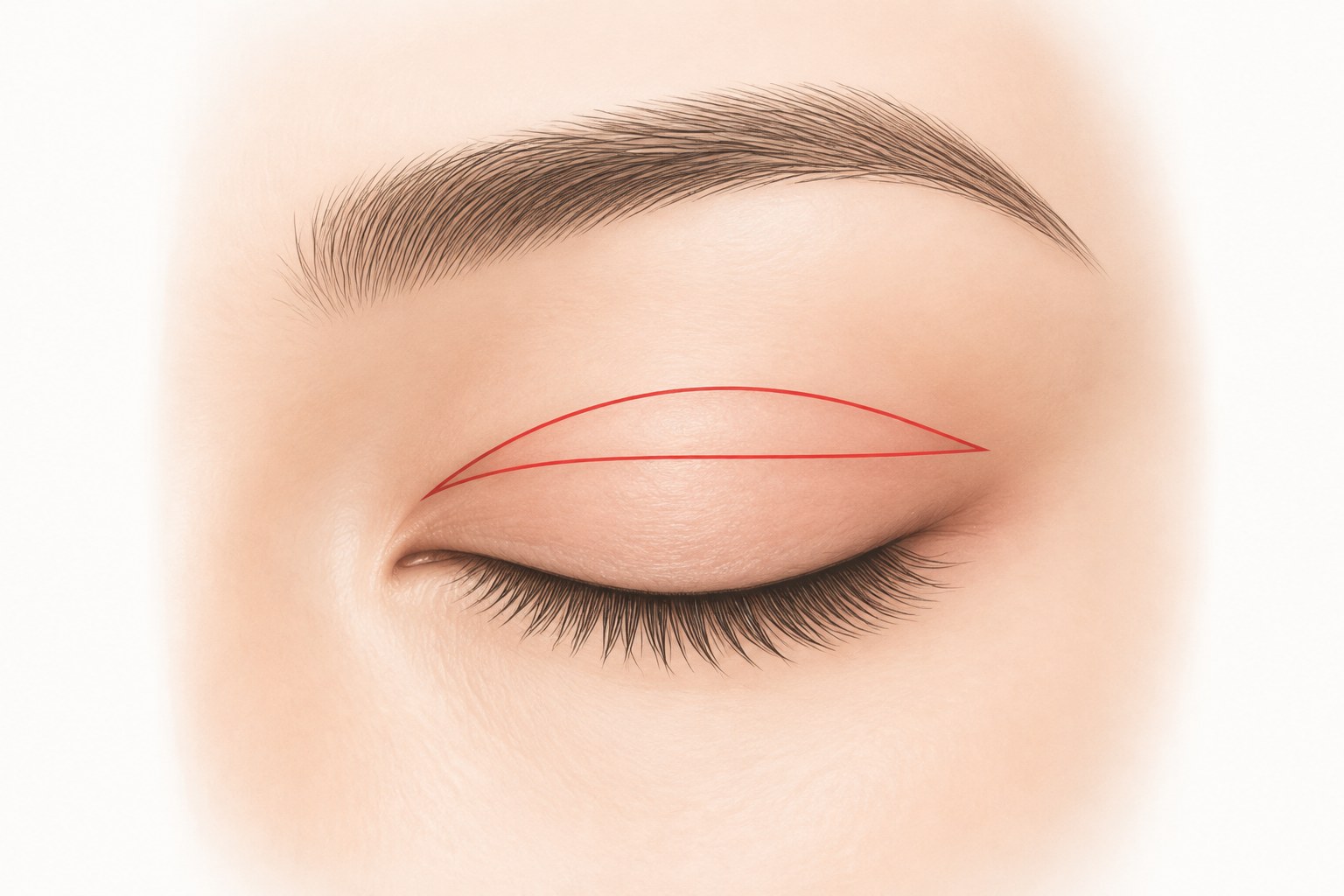
Step 01
Design Incision Line
Mark the incision line according to the double eyelid line position.
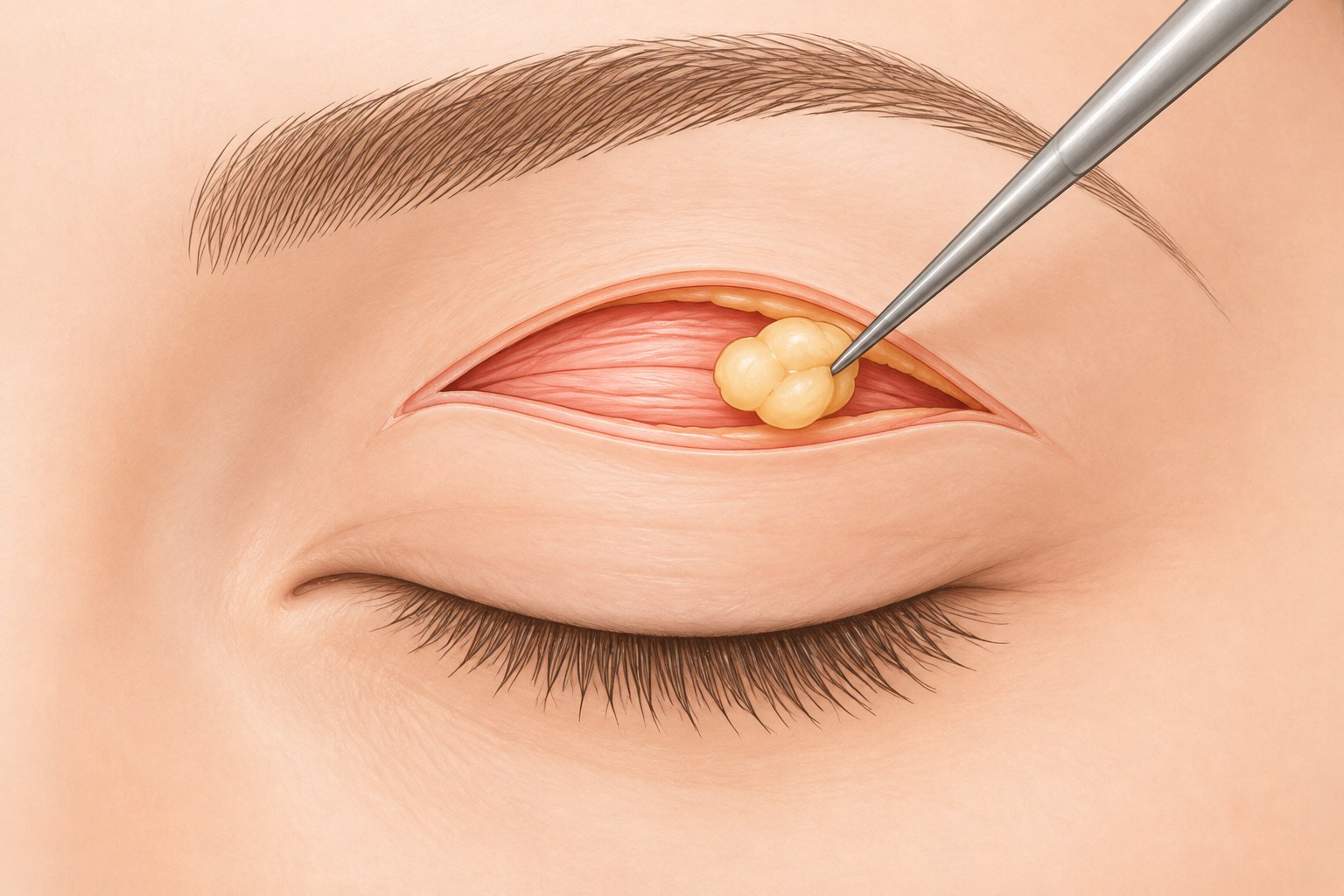
→Step 02
Expose and Organize Muscles
Expose the eye-opening muscles through the incision and organize fat and tissue.
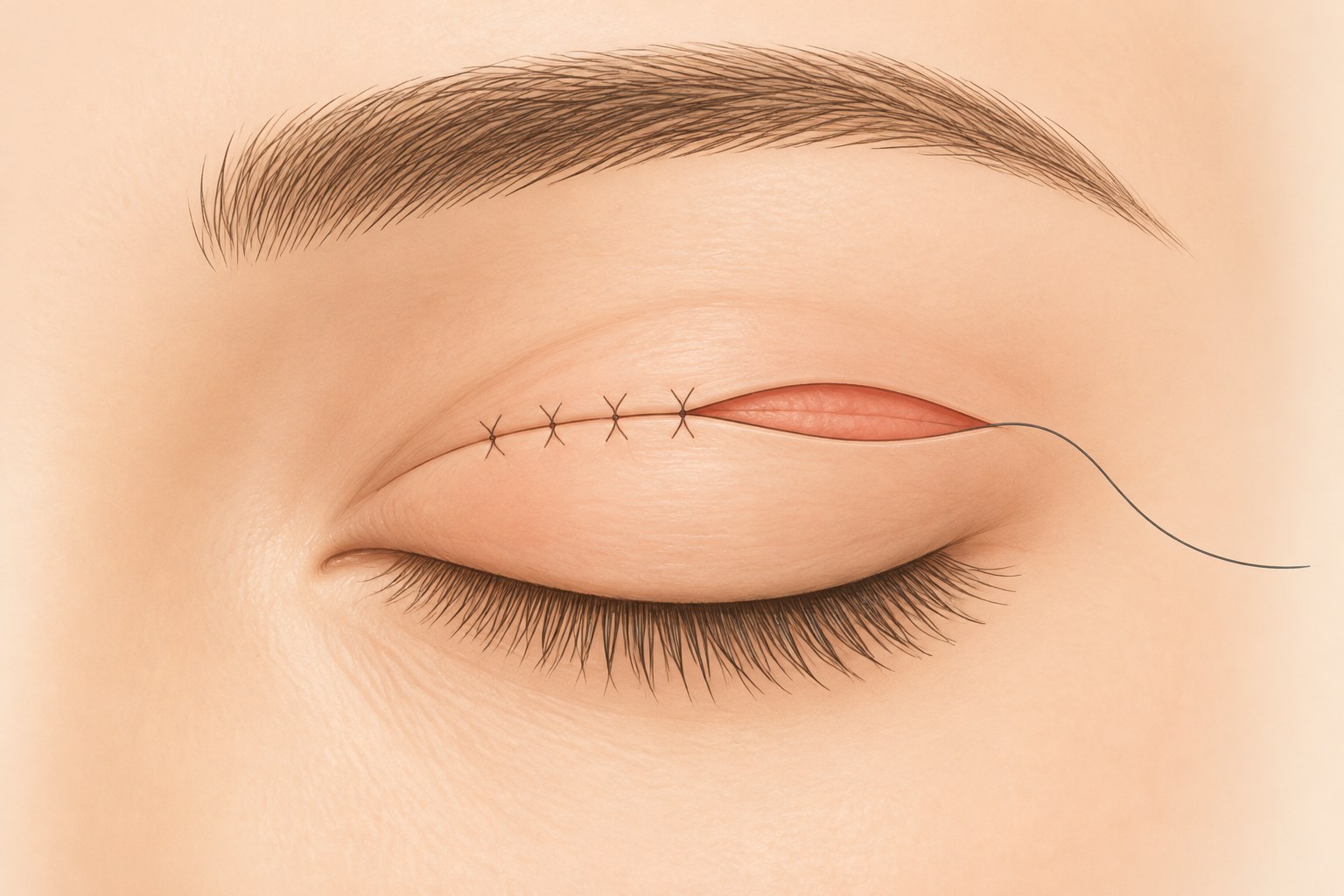
→Step 03
Fix and Suture Muscles
Pull the muscles to the appropriate length, fix them, and suture along the incision line.
→Step 04
Complete Eye Appearance
After suture removal, swelling subsides and a defined eye appearance is established.
PIAF Incisional Eyelid Correction Advantages
PIAF Incisional Eyelid Correction Recommended for
- Severe eyelid droop or significant pupil coverage
- Thick eyelids with excess fat
- Significant difference in size or strength between eyes
- Habit of using forehead muscles to open eyes
With precise diagnosis and appropriate surgery,PIAF Clinic's Ptosis Correction Principles
Distinguishing between congenital and acquired
Ptosis Diagnosis
Adjusting strength according to eye condition
Muscle Correction Range Design
Organizing eyelid fat only when necessary
Minimal Manipulation Principle
Balancing both eyes
Pupil Exposure Adjustment

With precise diagnosis and appropriate surgery,PIAF creates defined and vibrant eyes.
- Diagnosis of congenital and acquired ptosis
- Design of muscle correction amount suited to eye condition
- Eyelid fat organization if necessary
- Adjustment of pupil exposure for both eyes

PIAF Ptosis Correction Surgery Precautions
- 01/Swelling may occur for a few days post-surgery, and the rate of subsidence varies by individual.
- 02/Avoid rubbing or pressing the eyes for 2-3 days post-surgery.
- 03/Abstain from alcohol and smoking for about 4 weeks before and after surgery.
- 04/Bruising, swelling, and bleeding may occur, and if unusual symptoms persist, contact the clinic.
PIAF CLINIC
Frequently asked questions
FAQ
- Q.What is the difference between double eyelid surgery and ptosis correction?
- Double eyelid surgery creates a line on the eyelid, while ptosis correction adjusts the strength of the eye-opening muscles to increase pupil exposure. Sleepy-looking eyes may not be resolved by creating a line alone, so both procedures are sometimes planned together.
- Q.How do I decide between non-incisional and incisional methods?
- It depends on the degree of eyelid droop, fat amount, and muscle strength. Non-incisional is considered for mild droop, while incisional is for severe droop or significant asymmetry. The decision is made after assessing the eye condition during consultation.
- Q.Can I have difficulty closing my eyes after surgery?
- Immediately after surgery, swelling and muscle tension may cause a feeling of incomplete eye closure, which usually improves during recovery. Recovery varies by individual, so regular follow-up checks are recommended.
PIAF CLINIC
Perfectionist PIAF
What makes PIAF different
Only the surgery you need
We assess your condition and suggest only the necessary scope.
Proven techniques + experience
Well-established methods, refined by experience.
Aesthetics and function together
We consider both a natural look and functional improvement.
Minimal scarring, smooth recovery
Careful guidance from incision and suturing through recovery.
Consultation
Considering Ptosis Correction?
Methods and results may vary by individual. Find the right approach for you in a one-on-one consultation.