
Eye Surgery
Refined design that reshapes your eye impression
Eye Surgery
Sophisticated Design to Transform Eye Impression
We don't just draw double eyelid lines. We design a distinct eye shape by considering the strength of eye opening, eyelid thickness, and facial proportions to enhance your natural impression.

ABOUT
Overview of Eye Surgery
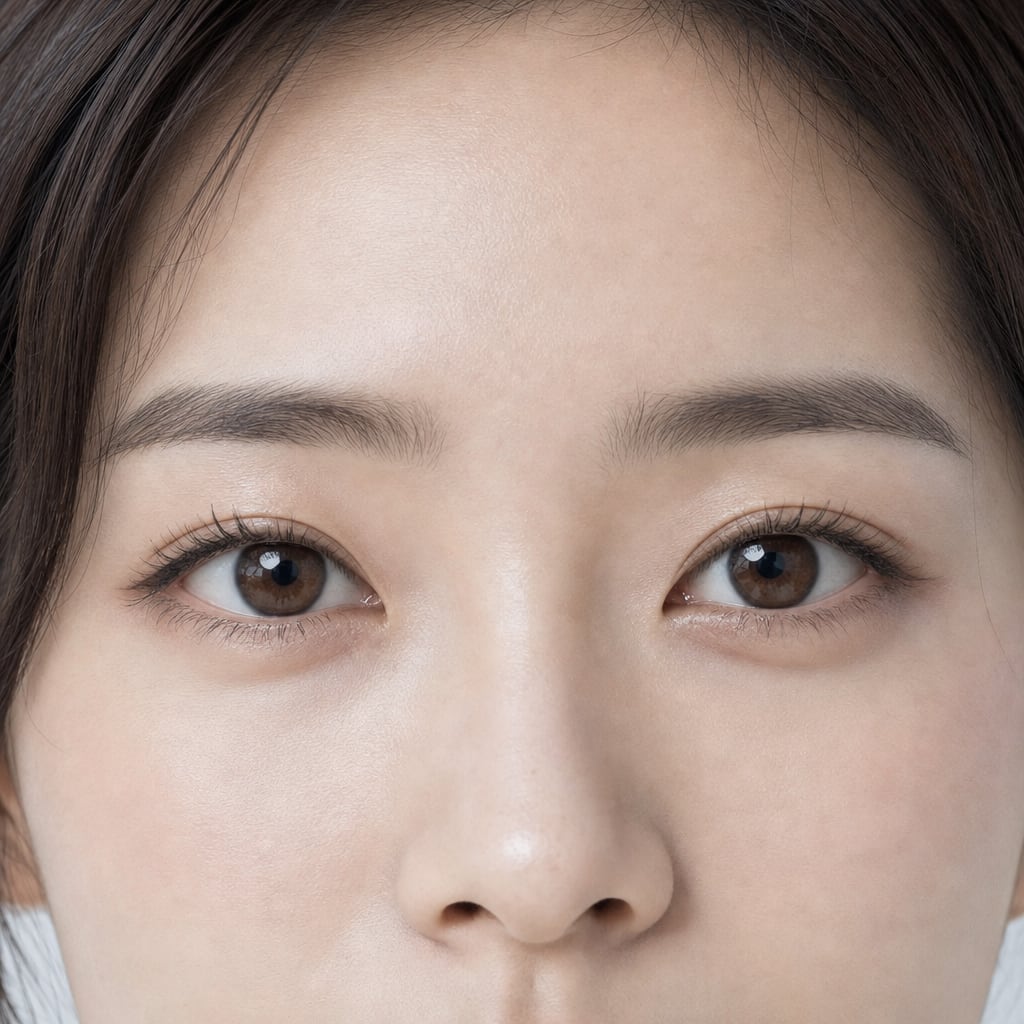
The eyes influence more than half of the facial impression. PIAF Clinic's eye surgery goes beyond drawing double eyelid lines by comprehensively analyzing the strength of the eye-opening muscle (levator palpebrae), eyelid skin thickness and sagging, the distance between the eyes and eyebrows, and asymmetry to design a naturally distinct eye shape.
If the functional aspect of the eyes (how well they open) is not evaluated, the lines may easily loosen or leave a heavy impression. Through thorough design consultations, we determine a direction that improves only the sleepy-looking parts without significantly altering your usual impression, avoiding overcorrection. Results may vary depending on individual eye structure and recovery process.
WHY PIAF
Advantages of PIAF Eye Surgery
FOR YOU
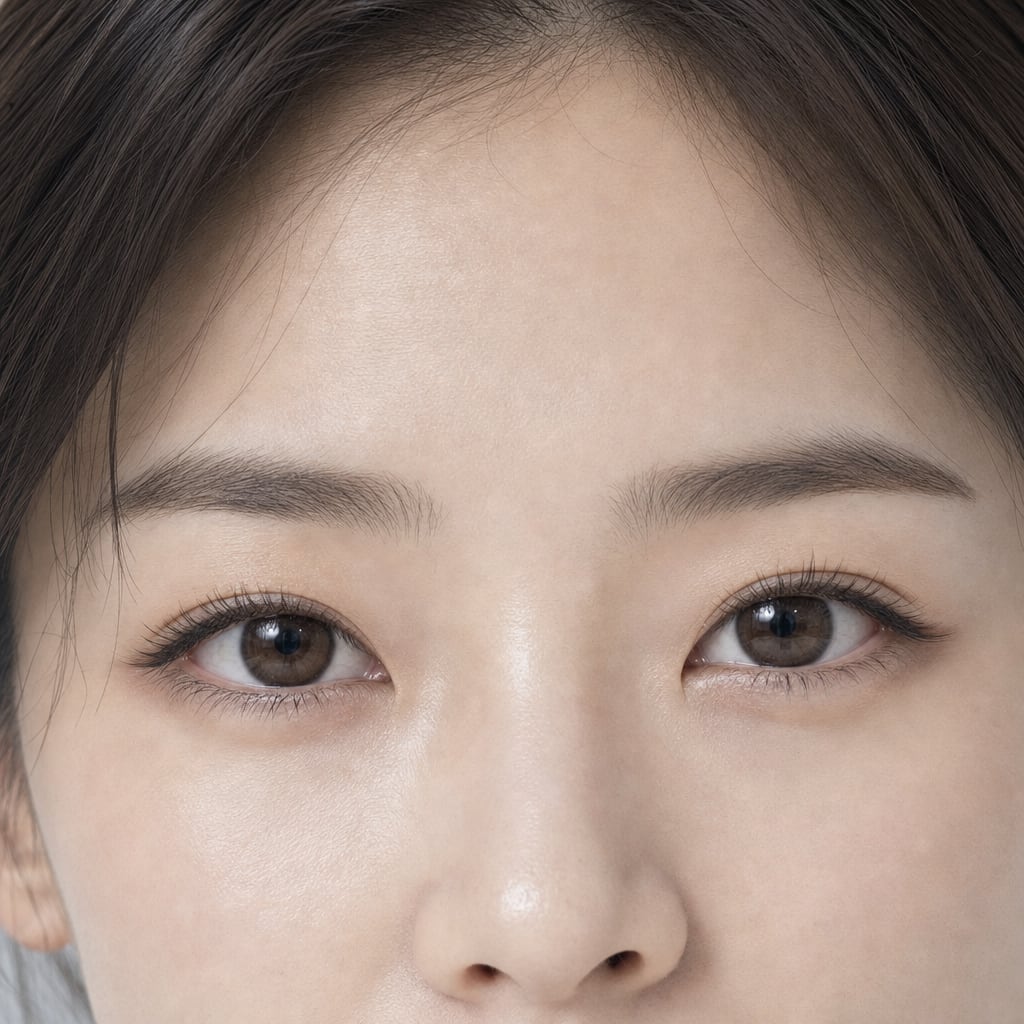
Recommended for Those Who
- Often hear that their eyes look heavy or sleepy
- Have thin or asymmetrical double eyelid lines that need reordering
- Use forehead muscles excessively to open eyes, causing forehead wrinkles
- Are concerned about a tired and shadowed appearance due to protruding or sunken under-eye fat
- Desire correction for unnatural results from past eye surgeries
- Are new to surgery and want a careful consultation for a natural line
PROCEDURES
Detailed Eye Surgery Procedures
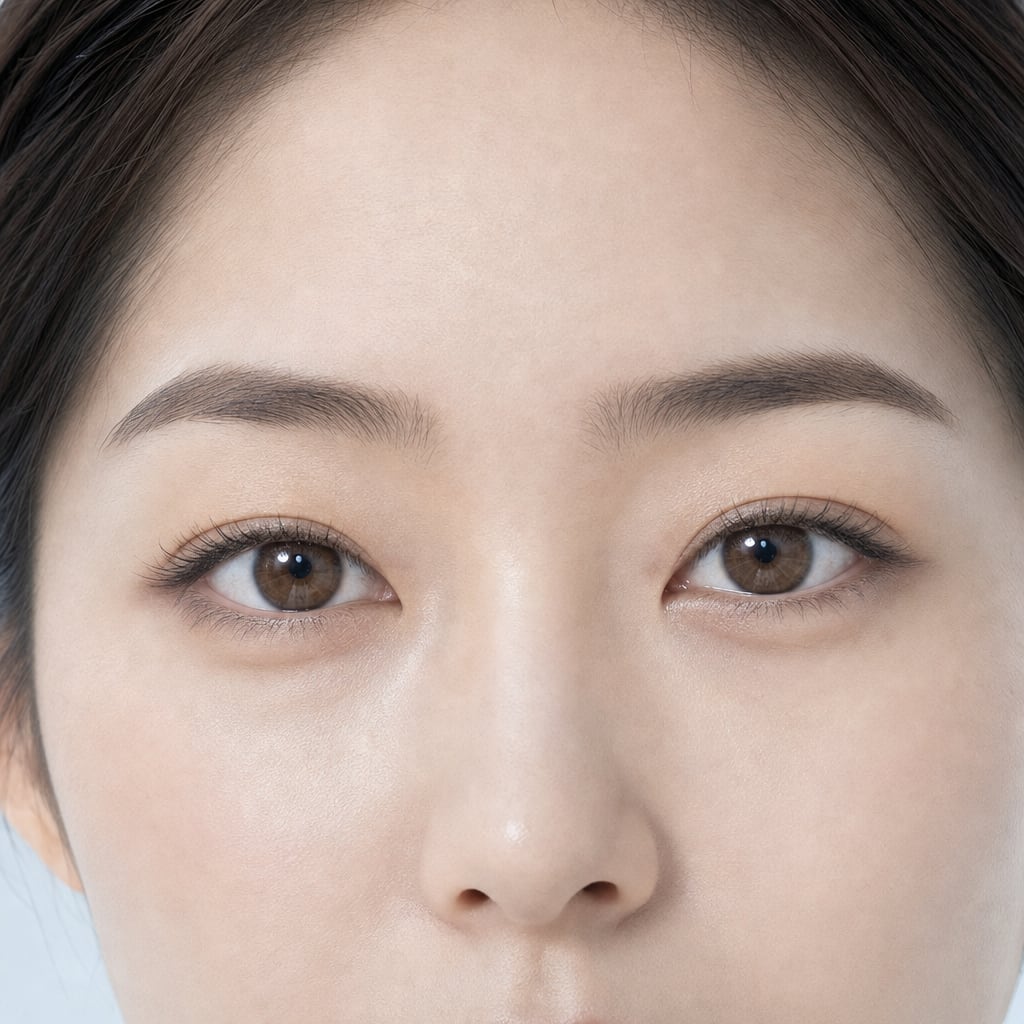
Double Eyelid (Buried Suture Method / Partial Incision / Full Incision Method)
We choose the appropriate method among the Buried Suture Method, Partial Incision Method, and Full Incision Method by considering eyelid thickness, skin sagging, fat amount, and desired line height. If the skin is thin and sagging is minimal, the Buried Suture Method is preferred for less scarring and quicker recovery. For thicker skin or significant sagging and fat, the Full Incision Method is considered for better line retention. Recovery period, swelling, and durability are compared during consultation.
- No Line, Thin Line, Asymmetry, Revision Surgery
- Method Selection Based on Skin Thickness and Fat Amount
- Local or Sedation Anesthesia
- Consultation Comparing Recovery and Durability by Method

Canthoplasty (Epicanthoplasty / Lateral Canthoplasty / Lower Canthoplasty / Canthoplasty Revision)
Epicanthoplasty opens the inner corner for a less constrained look, Lateral Canthoplasty widens the outer corner, and Lower Canthoplasty adjusts the vertical width and lower eye impression to naturally adjust eye size, spacing, and impression. Considered for wide or constrained eye spacing, with careful review of scarring and overcorrection, and consultation for canthoplasty revision if needed.
- Epicanthal Fold, Wide Eye Distance
- Natural Horizontal and Vertical Expansion
- Careful Consideration of Scarring and Overcorrection
- Consultation Including Canthoplasty Revision
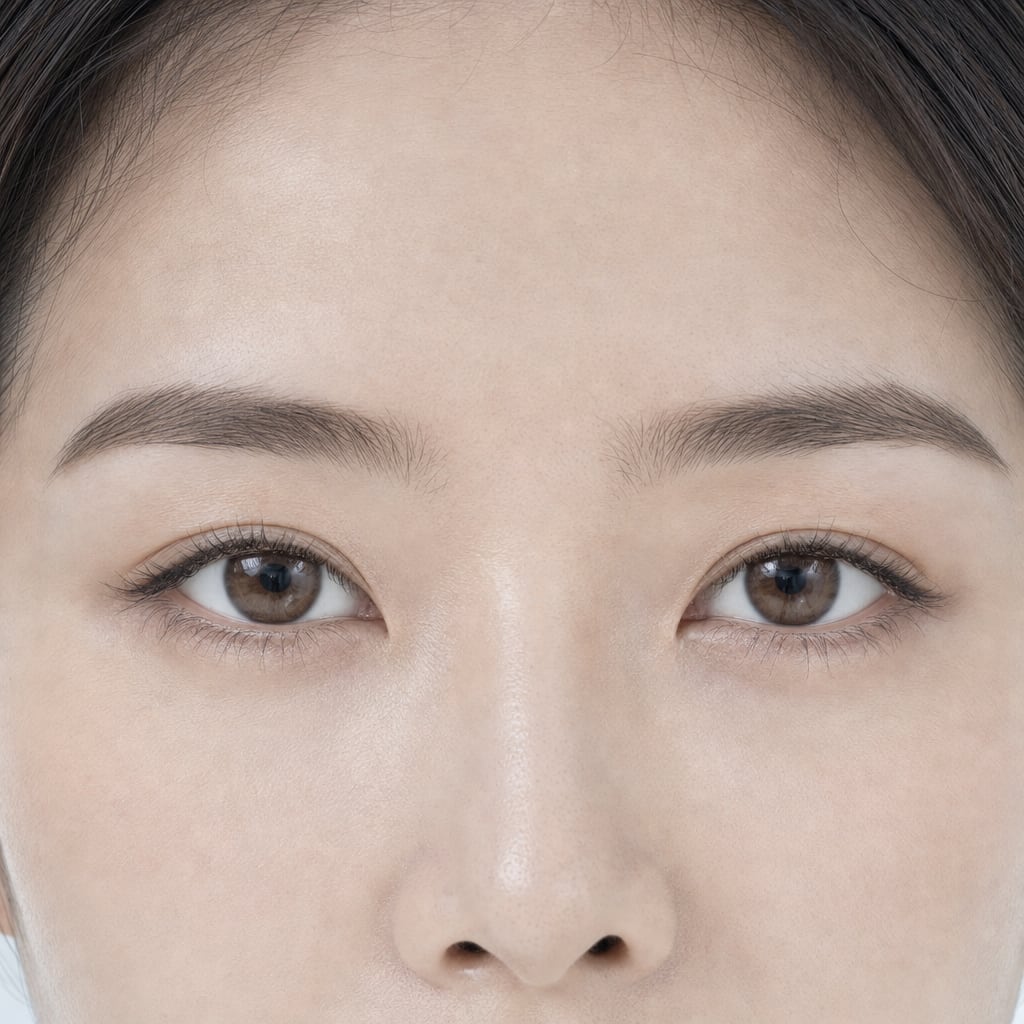
Ptosis Correction (Incisional / Non-incisional)
Ptosis correction improves a sleepy or heavy-looking eye shape (ptosis) by precisely adjusting the weak eye-opening muscle (levator palpebrae). It is divided into incisional and non-incisional (buried suture) methods and can help reduce the burden of forehead wrinkles caused by using forehead muscles to open the eyes. Often combined with double eyelid surgery, considering both aesthetic lines and visual improvement.
- Ptosis, Sleepy Eye Shape
- Expected Relief of Forehead Wrinkle Burden
- Consideration of Aesthetic and Visual Function
- Can Be Combined with Double Eyelid Surgery
PIAF Clinic's Eye Surgery Expertise
We aim for long-lasting results by evaluating eye opening strength and lines together
Balance of Function and Aesthetics
We propose a natural height considering the distance between eyes, eyebrows, and forehead
Design Based on Facial Proportions
We explain scar burden and recovery period when choosing a method
Consideration of Scars and Recovery
We approach challenging cases like tissue adhesion and asymmetry with caution
Design Considering Revision Surgery
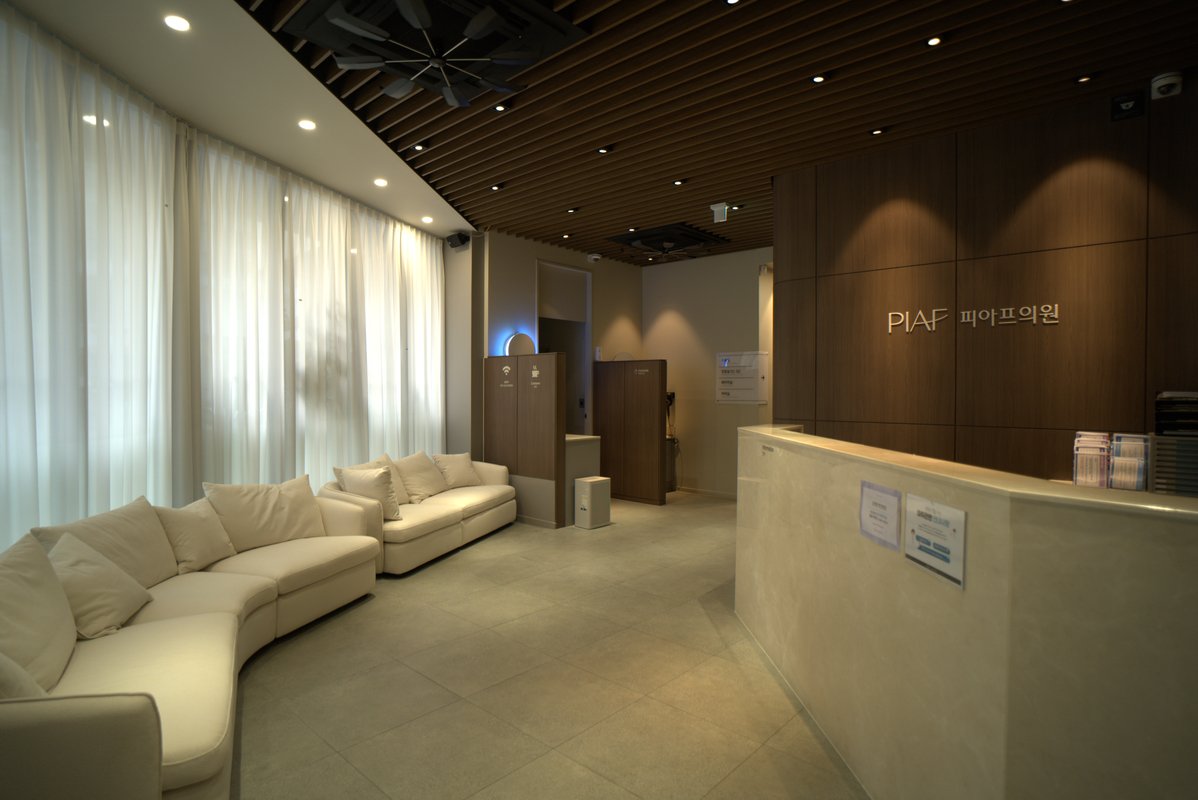
Eye Surgery Procedure
- Consultation and Design: Confirm eyelid thickness, skin sagging, eye opening strength, and asymmetry, and decide on the desired line height and shape together.
- Examination and Design Confirmation: Determine the method suitable for individual eye structure (natural adhesion buried suture method/full incision method, whether to accompany ptosis correction) and confirm the design.
- Local Anesthesia and Procedure: Perform local or sedation anesthesia depending on the area, and proceed with precise line fixation and muscle adjustment if necessary.
- Hemostasis and Finishing: Carefully finish to reduce swelling and bruising, and provide guidance on precautions for the day.
- Follow-up Observation: Observe the process of suture removal (in the case of the full incision method) and line stabilization step by step.
BEFORE & AFTER
Before and After Examples of Eye Surgery
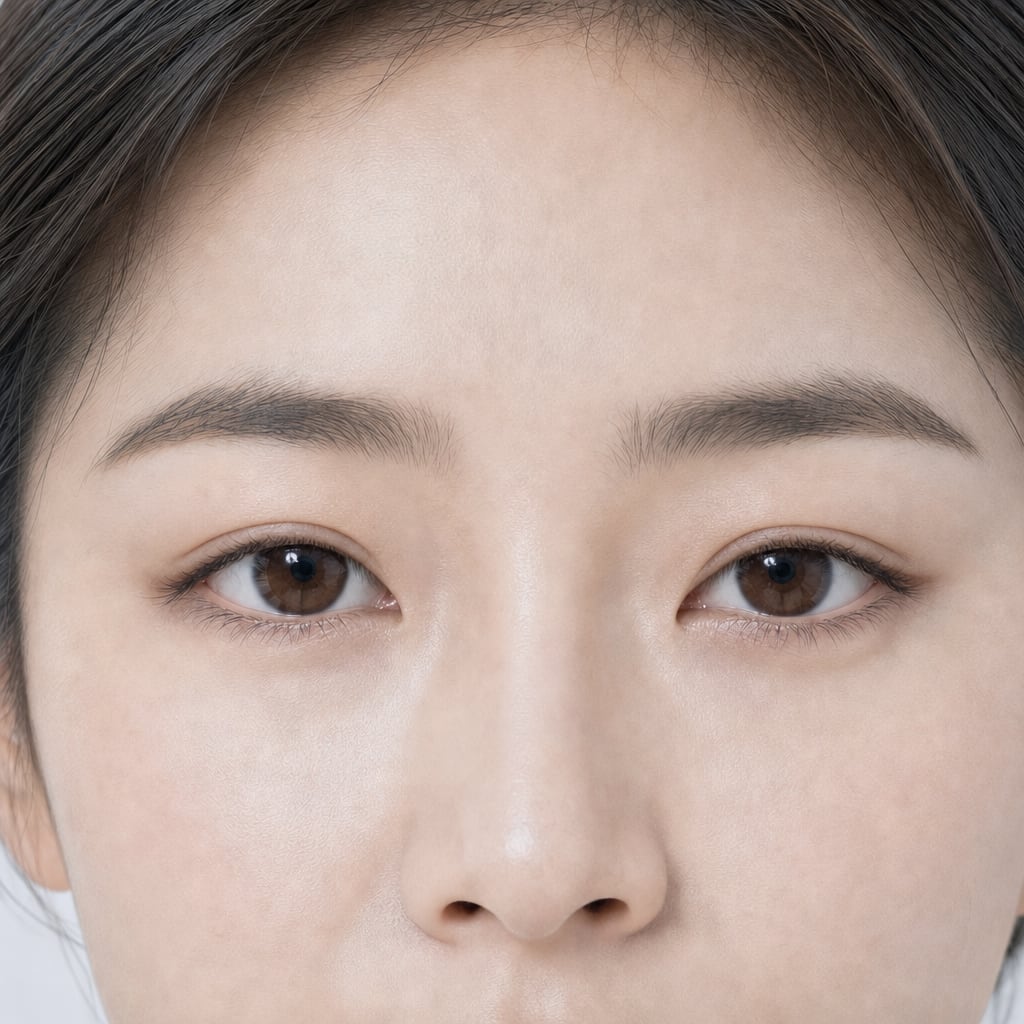 BEFORE
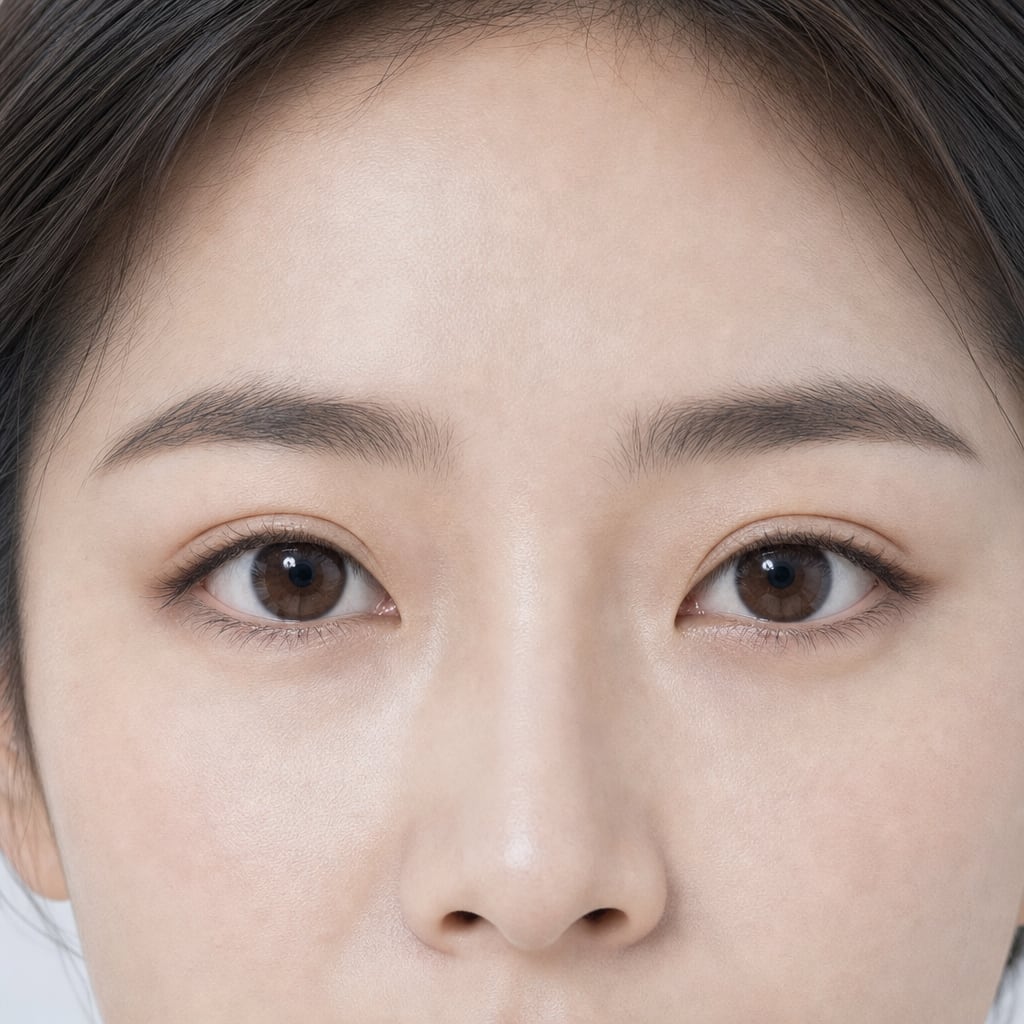 AFTER
※ The above images are examples for understanding purposes, and results may vary depending on individual condition and procedure method. Side effects and precautions will be explained during consultation.
Recovery and Precautions
- Initial Swelling and Bruising: Typically subsides significantly over the first 1-2 weeks, though it varies by individual.
- Suture Removal: Usually removed around 5-7 days post-procedure for the full incision method, depending on individual condition.
- Line Stabilization: It may take several months to settle into a natural line.
- Cold and Warm Compresses: Initially use cold compresses, then warm compresses to aid swelling recovery.
- Precautions: Avoid stimulating, rubbing the procedure area, excessive alcohol, and smoking as they can delay recovery.
- Contact the clinic immediately if experiencing abnormal symptoms (excessive pain, bleeding, fever, etc.).
Frequently Asked Questions
Q. How long does swelling last after double eyelid surgery?
Swelling typically subsides significantly over the first 1-2 weeks, though it varies by individual. It may take several months for the line to settle into a natural appearance. Exact progress will be guided according to individual condition during consultation.
Q. Which is suitable for me, the Buried Suture Method (Natural Adhesion) or the Full Incision Method?
It depends on eyelid thickness, skin/fat sagging degree, and desired line retention. Ptosis correction may also be needed, so methods are suggested after examination based on individual needs.
Q. Are ptosis correction and double eyelid surgery different procedures?
Ptosis correction adjusts the strength of the eye-opening muscle to help the eyes open more distinctly, while double eyelid surgery creates a line. They can be performed together if needed.
Q. Can under-eye fat/dark circles be improved together?
Under-eye surgery (fat repositioning/removal/augmentation) can improve a shadowed and tired appearance. Methods vary depending on the under-eye condition, so consultation is necessary.
Q. Is revision eye surgery possible?
Correction for loosening, asymmetry, and overcorrection from previous surgeries is possible. However, a precise approach considering tissue adhesion and scarring is needed, so it is planned after thorough consultation.
Need an Eye Surgery Consultation?
Eye surgery methods and results can vary depending on individual conditions. Confirm the direction that suits you with a 1:1 consultation with a PIAF Clinic specialist. Feel free to inquire via phone or consultation reservation.
Inquire